Pitr Paksh Mela Guide
Plan your sacred journey during the holy 15-day period of ancestral remembrance. Get schedules, guidelines, transport, and booking support.
Mela Overview & Spiritual Importance
The 15 days when the gates of heaven open, and ancestor spirits visit Earth seeking peaceful release.
The Pitr Paksha Mela is one of the largest and oldest religious gatherings in India, held annually in the sacred city of Gaya, Bihar. Spanning 15 days during the Hindu month of Ashwin (September-October), this festival is dedicated entirely to ancestral remembrance and the performance of Shraddha rites.
According to ancient texts, during Pitru Paksha, the Sun enters the zodiac sign of Virgo. This astral alignment allows the souls of our ancestors (Pitrus) to leave their heavenly/interstellar realms and descend to Earth, seeking food and water offerings from their living descendants. Performing Pind Daan during this specific window yields infinite merits, immediately satisfying the souls and ending any residual ancestral debt (Pitra Rin).
Sept 26 - Oct 10, 2026
Dates correspond to Bhadrapada Purnima till Ashwin Amavasya (Mahalaya Amavasya).
Expected Crowd
Over 1.5 million devotees visit Gaya during this fortnight. Advanced booking of hotels, pandas, and ritual slots is highly advised.
Standard 17-Day Daily Schedule
For pilgrims wishing to perform the full traditional 17-day (17-Vedi) pilgrimage, the daily route is structured below.
Punpun River Rites
Punpun River (Gaya Entry)First ritual purification performed on the way to Gaya. Pilgrims pay respect at the banks of Punpun before entering the main city bounds.
Falgu River Tarpan
Devghat, Falgu RiverInitial water tarpan offerings to ancestors using sand pinds on the banks of the sacred cursed river Falgu.
Vishnupad Footprints
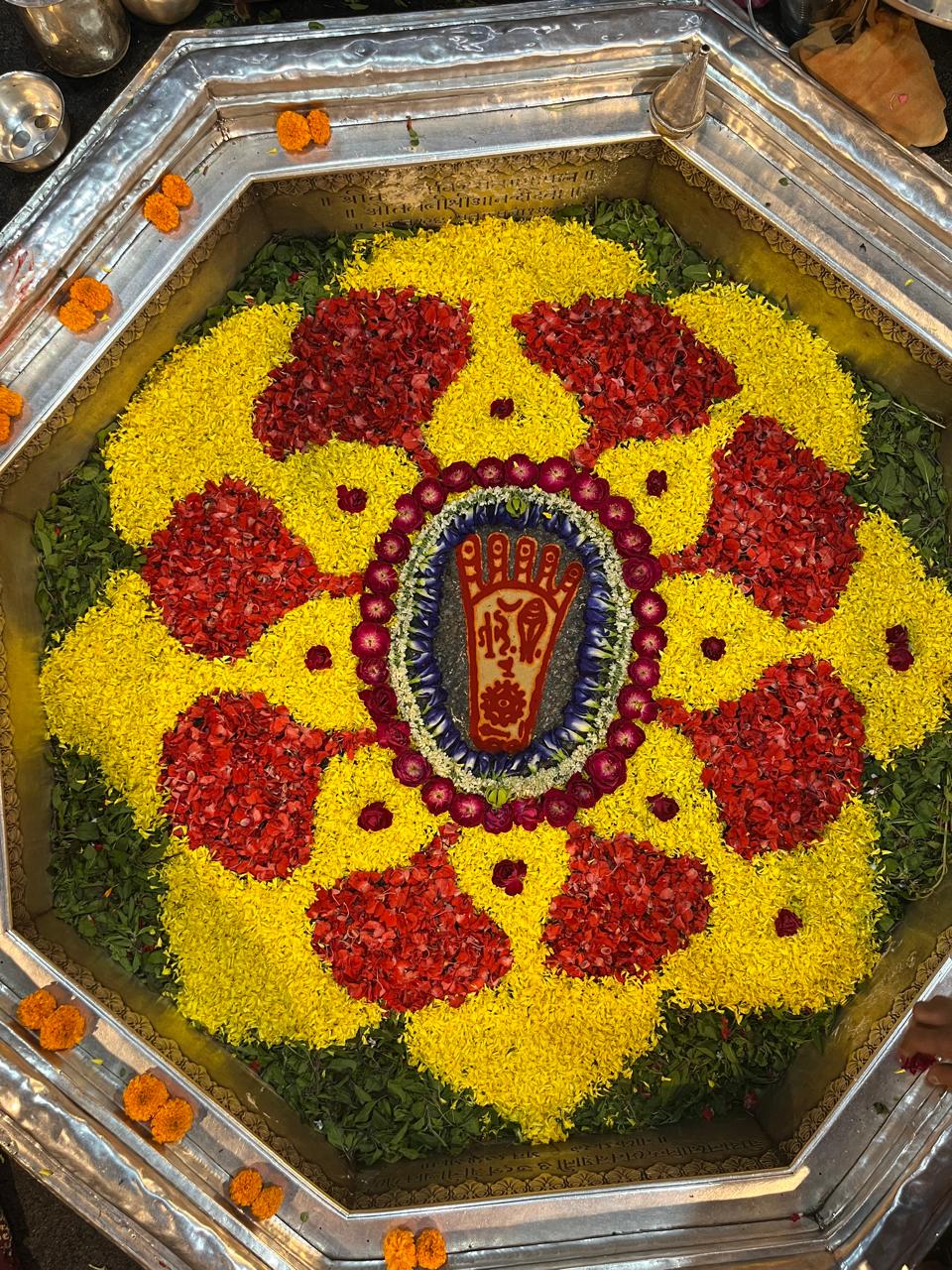
Vishnupad Temple SanctumOffering of main rice pinds directly on the basalt stone footprints of Lord Vishnu to invoke divine sanction.
Hills Pilgrimage
Pretshila & Ramshila HillsPerforming rites on the peaks of Pretshila and Ramshila to pacify ancestors who passed away under sudden or unnatural conditions.
Pond & Kund Offerings
Brahma Kund, Uttarka ManasImmersions and customized Shraddha offerings at various historic ponds surrounding the central Gaya temple circle.
Akshay Vat Conclusion
Akshay Vat Tree RootsFinal prayers, tying of sacred threads, Gau Daan, and Brahman Bhojan to complete the ancestral journey and secure eternal blessings.
Travel & Logistics Information
Nearby Railway Station
Gaya Junction (GAYA) is the primary railway head, located within the city limits (approx 4 km from Vishnupad Temple). It is well-connected to major cities like Delhi, Kolkata, Patna, Mumbai, and Varanasi with frequent express trains.
Nearest Airport
Gaya International Airport (GAY) is located at Bodhgaya, about 10 km from the temple. It handles flights from domestic nodes like Kolkata and Delhi. **Patna Airport (PAT)** is 115 km away, offering broader nationwide connectivity.
Accommodation options
Gaya offers options ranging from basic Dharamshalas maintained by pandas to premium tourist hotels in Bodhgaya. Government tourist lodges (Bihar Tourism) are also setup. Booking months in advance is essential during Mela season.
Mela Weather: September/October in Gaya has warm and humid days (28°C - 33°C) with cooler nights (21°C - 24°C). Periodic post-monsoon showers occur. Dress in light cottons.
Do's and Don'ts for Pilgrims
Follow these code-of-conduct guidelines to ensure a spiritually pure and safe experience during your stay.
Do's
- Book a verified panda with ancestral record books (Khata) to authenticate lineage records.
- Wear traditional white cotton clothes (Dhoti/Kurta for men, Saree/Suits for women) during rituals.
- Keep a list of departed ancestral names, dates of passing (tithi), and your family Gotra ready.
- Drink only bottled water and consume simple satvik vegetarian meals during the ritual period.
- Take a holy bath in the Falgu River or Devghat before performing any pind offerings.
Don'ts
- Do not consume alcohol, meat, onion, garlic, or tobacco during your entire stay in Gaya.
- Avoid wearing dark black clothing or leather items (belts, wallets, shoes) inside temples.
- Do not engage in arguments or aggressive bargaining with local service providers or pandas.
- Do not throw plastic, garbage, or synthetic items into the Falgu river beds or sacred sites.
- Do not pay random agents or brokers on roads; deal directly with certified Panda Ji groups.
Checklist & Packing List
Prepare your baggage with essential items necessary for the hot daytime weather and temple walks.
Vedic Clothing
Dhoti, cotton kurtas, light sarees. Extra change clothes.
Footwear
Slip-on sandals. You will need to take shoes off frequently.
Sun Protection
Umbrellas, sunglasses, sunscreens. Mela daytime can be hot.
Documents
Aadhaar card/ID proofs, family tree charts, pass photos.
Pitr Paksh Mela FAQs
Yes, the Government of Bihar sets up extensive security arrangements, round-the-clock police booths, medical tents, and free tourist information desks across all key nodes in Gaya and Bodhgaya during the Pitru Paksha Mela.
Traditional pandas maintain records (Khata Books) segregated by region, state, district, and village. When you share your village name and family lineage, your designated family panda can show you historical signatures of your forefathers who performed Pind Daan years ago.
Yes, advance booking is highly recommended because slots fill up fast, local logistics (samagri, transport, and priests) become heavily congested, and travel prices rise. Pre-booking secures peace of mind.
Visiting Gaya for Pitr Paksh Mela?
Book your priority slot today. Receive premium end-to-end guidance including pick-up support, certified panda allocation, hotel bookings, and puja execution.